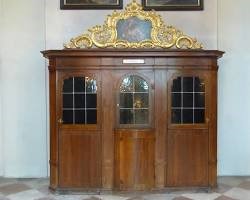
The Catholic confessional is a private space within a church where individuals can confess their sins to a priest. It is an essential part of the Sacrament of Reconciliation, also known as Penance or Confession.
Purpose:
Reconciliation with God: The confessional provides a means for individuals to seek forgiveness from God for their sins and reconcile their relationship with Him.
Spiritual Guidance: Priests offer guidance and advice to help individuals understand their sins and work towards living a more holy life.
Absolution: After a sincere confession, the priest grants absolution, which removes the guilt and consequences of sin.
Process:
Examination of Conscience: Before going to confession, individuals are encouraged to examine their conscience, reflecting on their thoughts, words, deeds, and omissions.
Approach the Confessional: The confessional typically consists of two compartments, separated by a screen. The penitent enters one compartment and kneels before a grille.
Confession: The penitent begins by saying, “Bless me, Father, for I have sinned.” They then proceed to confess their sins, being as honest and specific as possible.
Absolution: After hearing the confession, the priest offers words of comfort and guidance. He then grants absolution, declaring the penitent forgiven.
Penance: The priest may assign a penance, such as saying prayers or performing acts of charity, as a means of reparation and growth.
Confidentiality:
Priestly Seal: The confessional is considered a sacred space, and priests are bound by the seal of confession, which prohibits them from revealing the contents of a confession to anyone.
Privacy: The physical structure of the confessional is designed to ensure privacy and confidentiality.
Frequency of Confession:
While there is no set frequency for going to confession, the Catholic Church encourages individuals to go regularly, ideally at least once a year. However, the frequency can vary depending on individual circumstances and spiritual needs.